Prometheus Rising
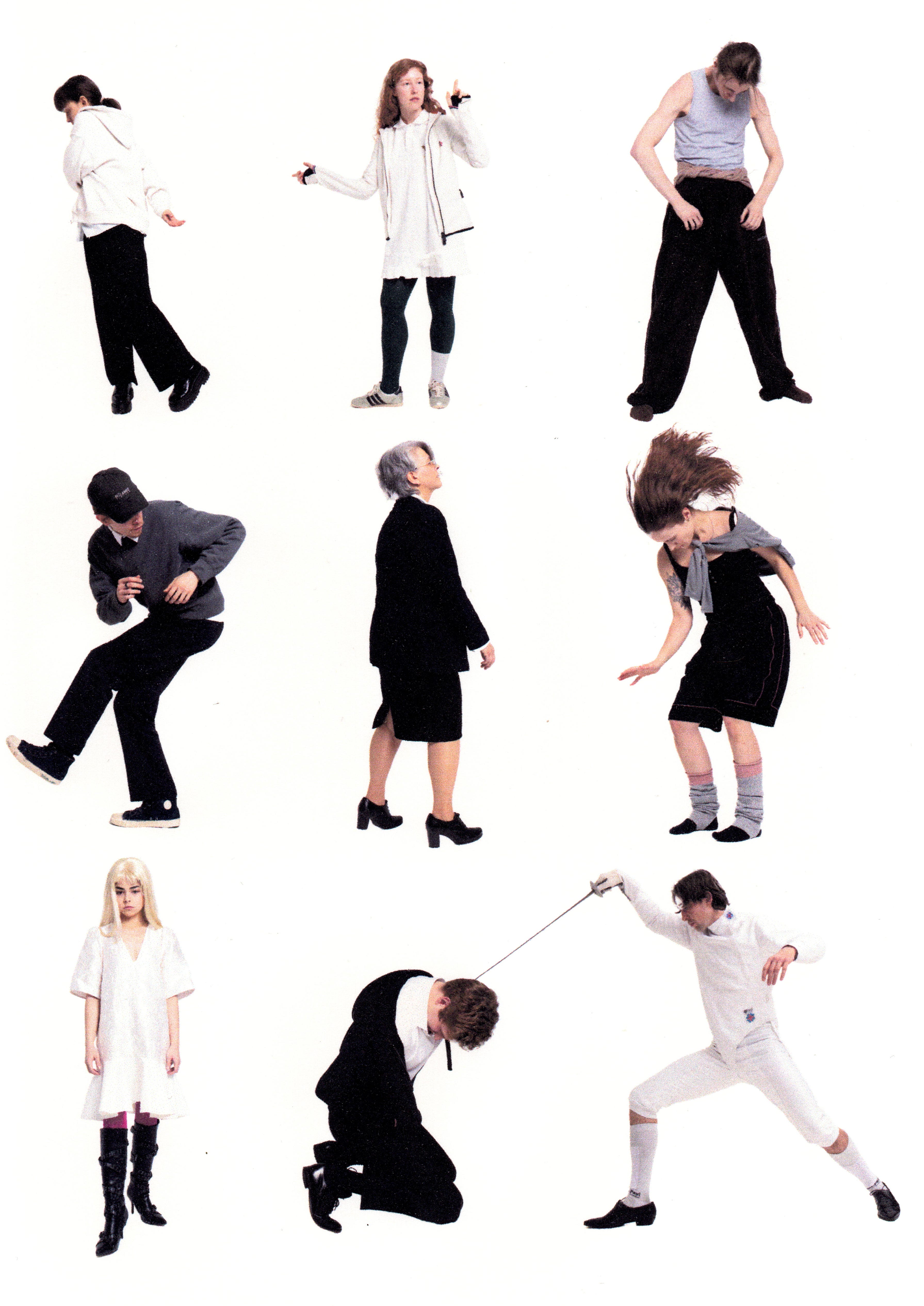
A chat with Ken Nakajima and Zlata Mechetina on Prometheus Rising, a deconstructed opera with music by Mujuice & Milo McKinnon produced by ada theatre lab.

Ada is a theatre laboratory in London, premiering its first opera, directed by Ken Nakajima, on May 7. We talked about the pipeline between clubs and theatres, how myths still hold value in today’s world, giving back to your childhood self & how electronic music can complement the baroque era.
l.z: Let’s start with ada as a project. “Clubbing gone intellectual”. How did it come together?
Zlata: We looked at London and asked: which audiences exist, and which ones aren’t being served? We noticed there’s a club audience that’s actually quite intellectual, people who go to fetchish, for example, and then there’s a theatre audience, which is genuinely large in London, especially among Eastern European immigrants who have a deep relationship with theatre and performing arts. The two audiences don’t overlap at all, yet they’re similar in age and what they’re willing to pay for tickets. The idea was to create a laboratory that unites them, a creative space where music and theatre collaborate.
Because it’s experimental, many industry conventions don’t apply. We don’t need an opening curtain. We’re not claiming to be theatre, we’re somewhere between a club and a stage, which gives us a lot of freedom. It’s not something nobody has ever done, but I don’t think it’s present in the London scene right now.
l.z: And the venue, it’s a chapel?
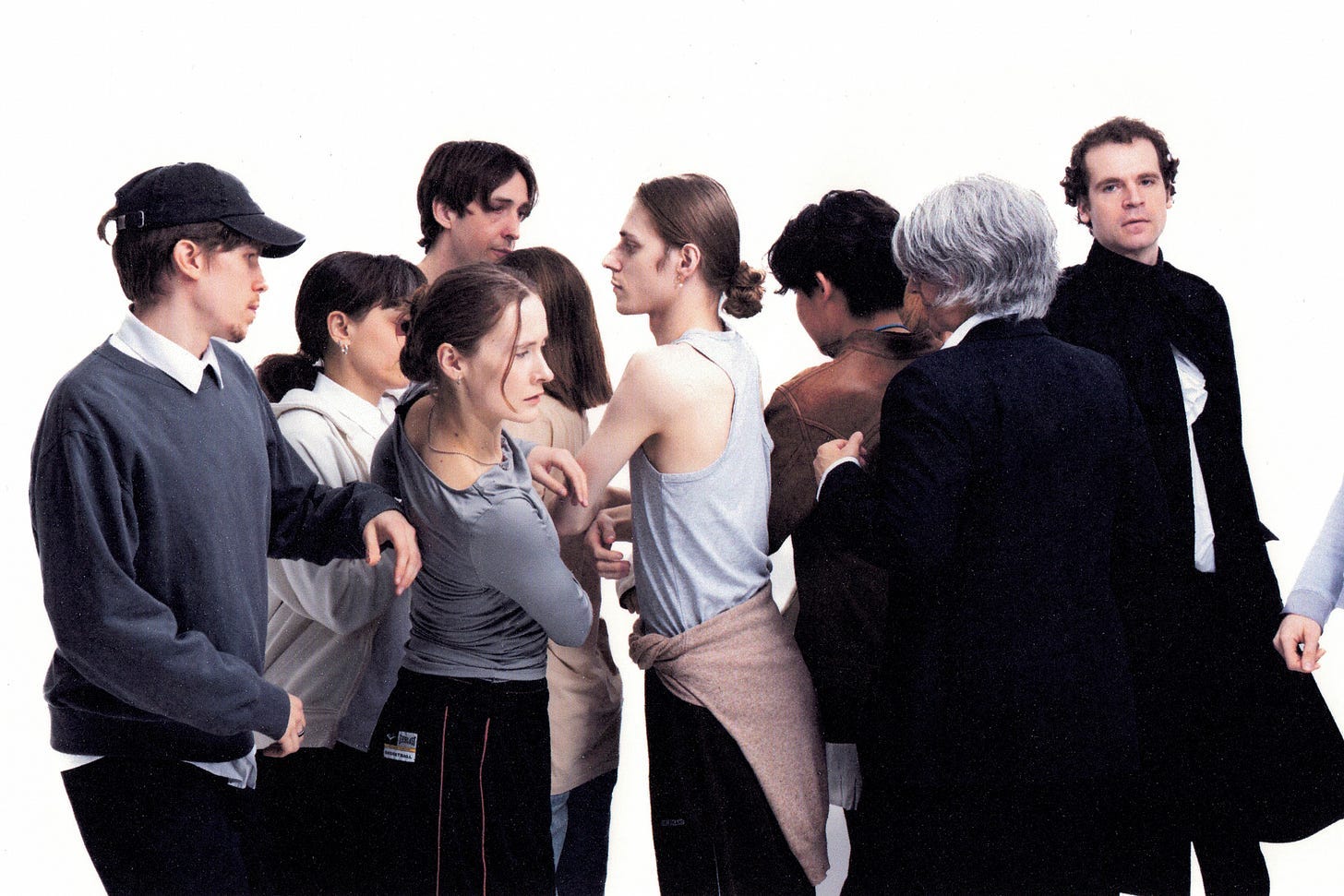
Zlata: Yes, a chapel that just got rebuilt. Raleigh Chapel aims to make it a new music space and a proper scene location. The owner has a really cool vision and great taste. I think it’s going to become a prominent spot on London’s music map.
l.z: Let’s talk about the opera itself, Prometheus Rising. Where does the idea come from?
Ken: Honestly, it came from so many little strands. The honest one is a motif and a philosophical question I had during my final grad show at CSM. I did this very overly ambitious, very messy, twelve-shows-in-one piece. One of the ideas was Prometheus returning to Earth and reclaiming the fire out of shame and disgust at humanity. It was a question I posed to myself in 2022, when I was very angry internally at the world. If I were Prometheus, would I take the fire back? Do we deserve a second chance? But there was always that small micro-hope in me saying: maybe. Maybe we could do better.
I parked it and moved on. A lot of other individual projects sprouted from that MA show and became their own things. The second time I came back to it was when I met a producer who works in opera, who asked, “Do you have an idea for an opera?” And the Prometheus motif was the first thing that came to me. I semi-bullshitted my way through conceptualising it in that meeting, and it ended up sounding like a good idea. The usual industry thing, you prepare a pitch, it comes down to finding money, and then it quietly disappears. I wasn’t precious about it. And then, towards the end of 2025, Zlata reached out about ada and asked if I had a project in mind. I mentioned the opera; she said yes, and I started writing the libretto.
l.z: Walk us through the story.
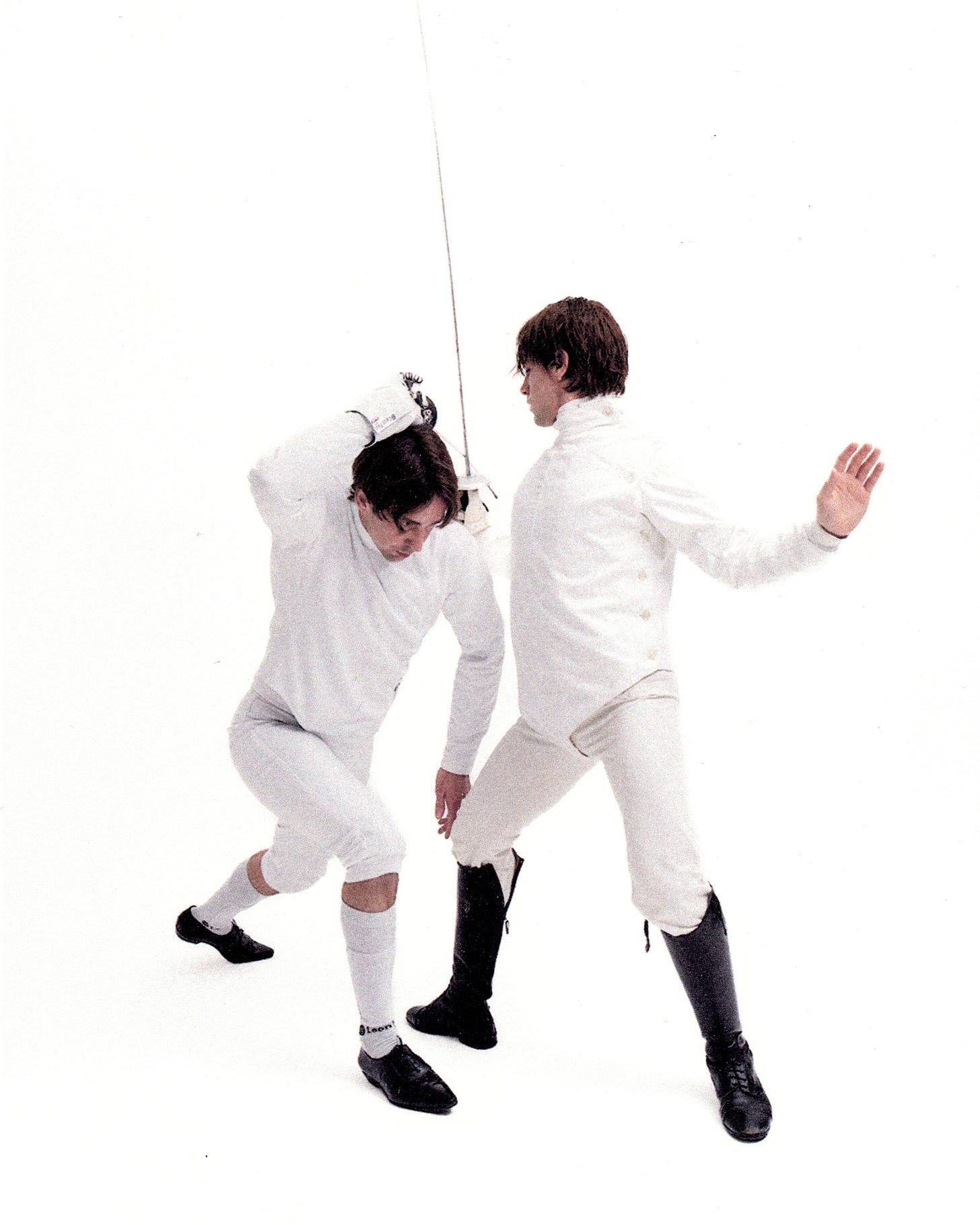
Ken: Prometheus comes back to Earth. Zeus gives him a kind of assessment. There’s a decree within the story that the gods have completely withdrawn from interacting with humanity, and to break that law means execution. So Zeus says: If you want to take back the fire and destroy humanity, go and assess them first. Prometheus agrees.
Zeus sends Thanatos, one of the gods of death in Greek mythology, as his companion and overseer. Think of him as the Virgil to Prometheus’s Dante, guiding him through.
He comes to Earth and sees humans for the first time in a long time. He sees the good and the bad. He notices greenery, different groups working together; it doesn’t look as catastrophic as he feared. And so he goes through this very Hamlet-like conflict: do I do this or not? Thanatos tries to be a neutral figure; here are the pros and cons, but I won’t interfere.
The spoiler is: he actually decides to do it. And as he’s about to, something stops him. A personification of human evil arrives and destroys humanity instead. We do it to ourselves.
I found that quite funny in an absurd way. It is loosely based on my argument against the idea of a second coming. If there were one, there’d be a third, and a fourth. Nothing would really change. We’d treat a saviour the same way the Romans did. So there’s a loose strand there around the saviour complex.
This figure we call the Figura Muta, the muted figure, an operatic tradition. It was inspired partly by Bob from Twin Peaks: the idea of evil as something that was born from the most catastrophic thing humanity ever did, the nuclear bomb.
Then Act Three follows Prometheus in shock. He almost did something terrible, but he couldn’t, and now he has to live with the guilt of having tried. He goes to Zeus and asks to be executed. Zeus says, “You didn’t do anything; I can’t kill you.” But Prometheus pleads. He says: “Take my soul, take my fire, start humanity again, in exchange for my death.” It ties back to Prometheus as the protector of humans, a kind of self-fulfilling prophecy. It ends on a cliffhanger, not quite suggesting a return, just leaving it open, and then closes with a lament.
l.z: I’m struck by how cyclical it is. And there’s an obvious contemporary reading, fire, AI, destruction, but you didn’t go there explicitly.
Ken: No. That connection is there if you want to find it, but I’m not spelling it out.
l.z: You’ve never directed an opera before, but you started in one as a child?
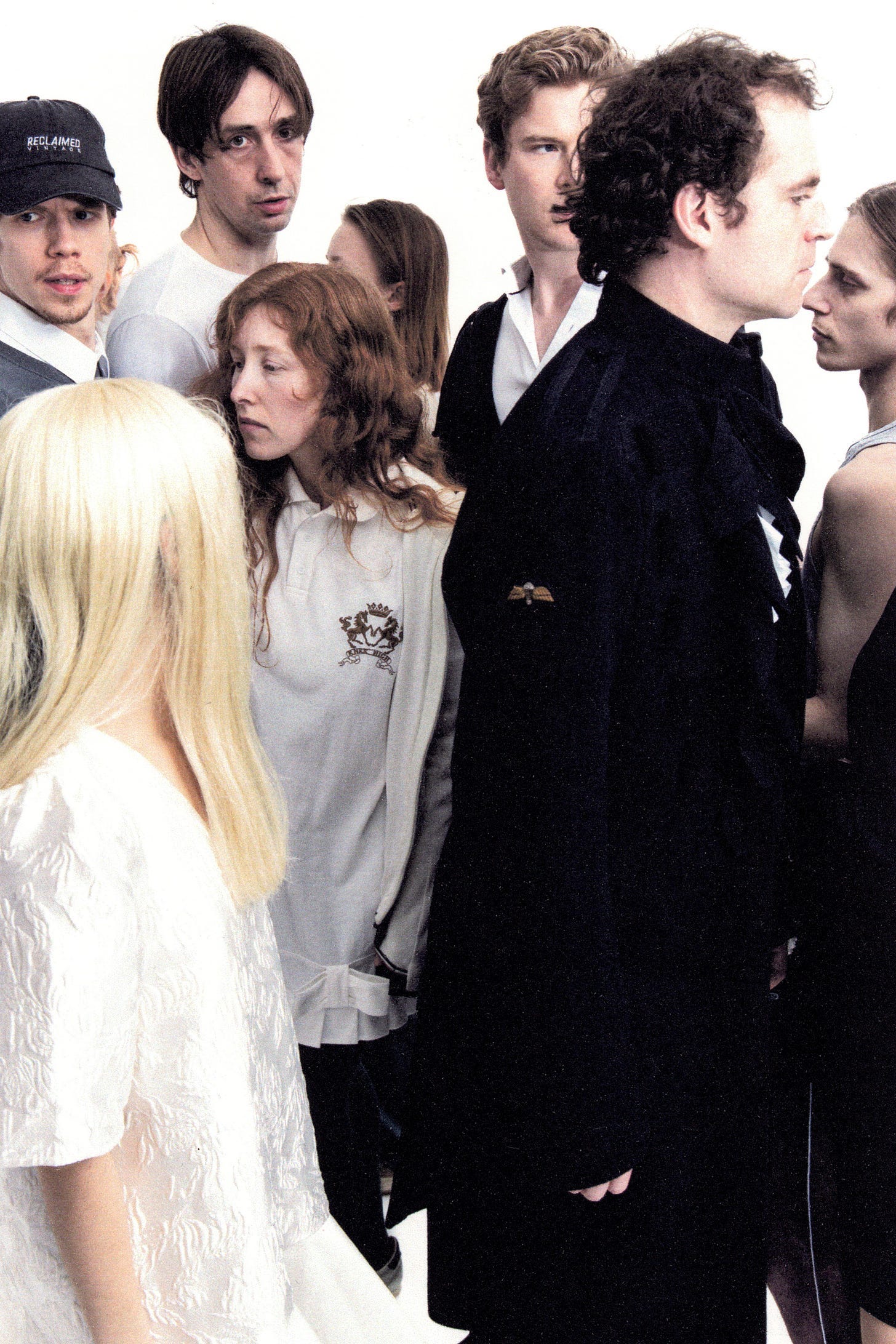
Ken: Yes, I did all the children’s roles in the opera house in Tokyo. I practically lived there. So it’s very cyclical in a strange way. I’m doing my first opera, and in some sense, I’m giving something back to my childhood self.
l.z: Why does this story need to be sung rather than spoken?
Ken: Honestly, it was more an alignment of different factors than a conscious decision. But coming from theatre, where it’s either all verbal or entirely physical, there’s a real challenge in learning how music can lead. Opera, for me, is what Wagner called the Gesamtkunstwerk, the total artwork. It navigates everything that theatre contains, but in a smoother, more eloquent, more visually powerful way. Something that musical theatre, for me, lacks. Opera doesn’t take the piss. It’s one of the highest forms of performance for me.
l.z: Will there be humour?
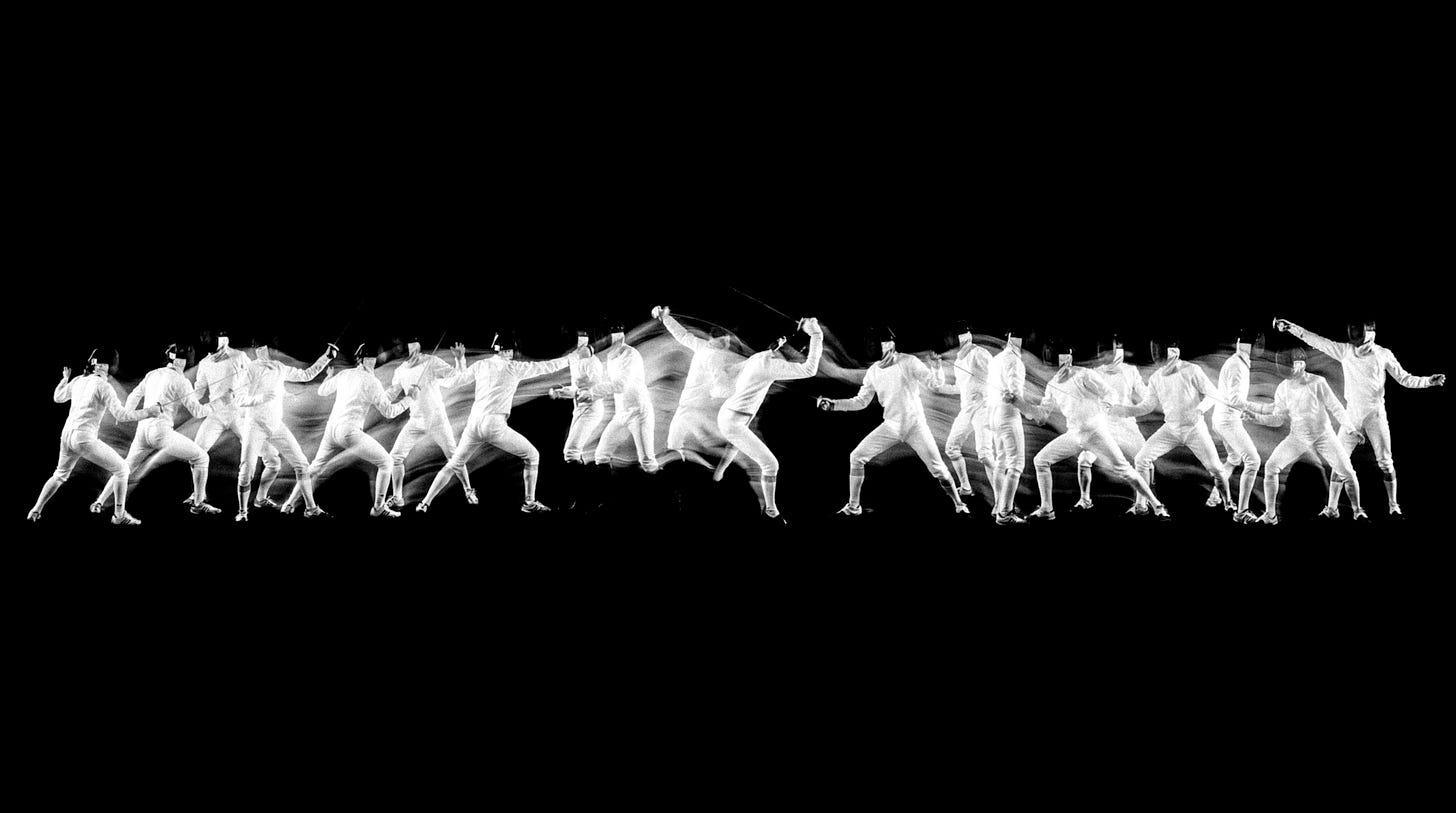
Ken: Not comedy exactly, but absurdism is very present in my work. There are moments of absurd imagery, ironic gestures, and a bit of showmanship. In my last show, Seeking Shadows, there was a section in which five people balanced briefcases on their heads for 8 minutes. The scene was called Don’t Drop It, and at one point, they looked directly at the audience as if to say: “Yes, I did that.” There’s an arrogance to it that I find quite funny. But nothing played for laughs, no.
l.z: Tell me about the music. Mujuice and Milo McKinnon are composing. How closely did you work with them?
Ken: At the start, I told them: I’m not precious about the text. I’ve written it in verse, like a Greek tragedy. Trim it if you need to. As long as we hold onto certain phrases that carry intention or emotion, we can negotiate. That’s how I work in general. There’s a boundary, and it’s flexible, but there is a boundary. You can do whatever you want within it as long as we hit certain checkpoints.
The structure is: Act One is Milo’s, more classical, an homage to the Baroque era. Act Two is Mujuice’s, electronic and heavy. You feel the gravity of Earth. Act Three blends both, as Prometheus leaves Earth and returns to something in between, Olympus or a middle-ground space. They’re very contrasting, but they’ve made it work. They’re complementary.
l.z: And movement?
Ken: Absolutely a big part of it, but it’s been a challenge. The work I normally do is very active; things are shifting constantly. Opera has taught me to work with stillness. That’s been a genuinely fun journey. There are moments when adding physical motifs feels unnecessary, and learning to identify them has been interesting. I think we’ve found a nice balance.
l.z: How do you think Prometheus Rising fits into the current London theatre landscape?
Ken: I think some theatre right now lacks honesty and sitting in the discomfort, without immediately counteracting it with a joke or something positive. But not everything ends in a positive way; that can be beautiful too. We shouldn’t always play it safe.
l.z: What do you want people to leave with?
Ken: I want them to feel something. I want them moved, in whatever direction. They could hate it. They could feel sad, or hurt, or confronted. That’s more than enough for me. I want them to feel like they had a moment of stillness from how fast everything is. The Prometheus myth is genuinely timeless, not dusty books on a shelf, but something still resonant in how we live and what we learn. When you clock that these experiences were already lived by humans thousands of years ago, it’s funny and beautiful and strangely comforting.
l.z: And then there are after-parties?
Ken: That was Zlata. She just asked: “What do you think?” And I was like, yeah, okay, why not. I think it’s a nice release valve. If the opera is heavy, the after-party lets people return to their normal speed. You can also pick people’s brains after the show. And then you wake up the next morning, and it hits you.
l.z: Are there other projects you’re hoping to bring to life?
Ken: Yeah, there’s another performance that’s much more radically minimal, just two people, lots of smoke, trying to physicalise the things we could have said or wanted to say to our loved ones, dead or alive, separated from us, and what that in-between space is. The silence of a phone call, the awkwardness of it. So it varies in scale and topic, and some of it is less narrative-driven.
l.z: One thing you’d change about the London art scene?
Ken: Honesty. People do things for the sake of what’s cool, and you can feel it, you can smell it, it leaves you empty, like a bad social interaction. I wish people were more vulnerable through their work and less focused on making their practice into content. I know that’s difficult in the current climate, but still. Be honest about what you’re doing.
l.z: What do you think is cool?
Ken: Honesty. Vulnerability. Allowing breathing space between the work and the spectator. It’s a difficult question, actually. There’s something Lacan said about investigating a thing until it becomes nothing essentially. That’s it. When you strip it back far enough, it just becomes itself. That’s cool to me.
l.z: Last question: Do you have hope?
Ken: Yes. A small part of me does. It’s shrouded in cynicism, but there’s a little speck of it. And I think sometimes that’s enough to keep you going.